EN
EN  VI
VI 


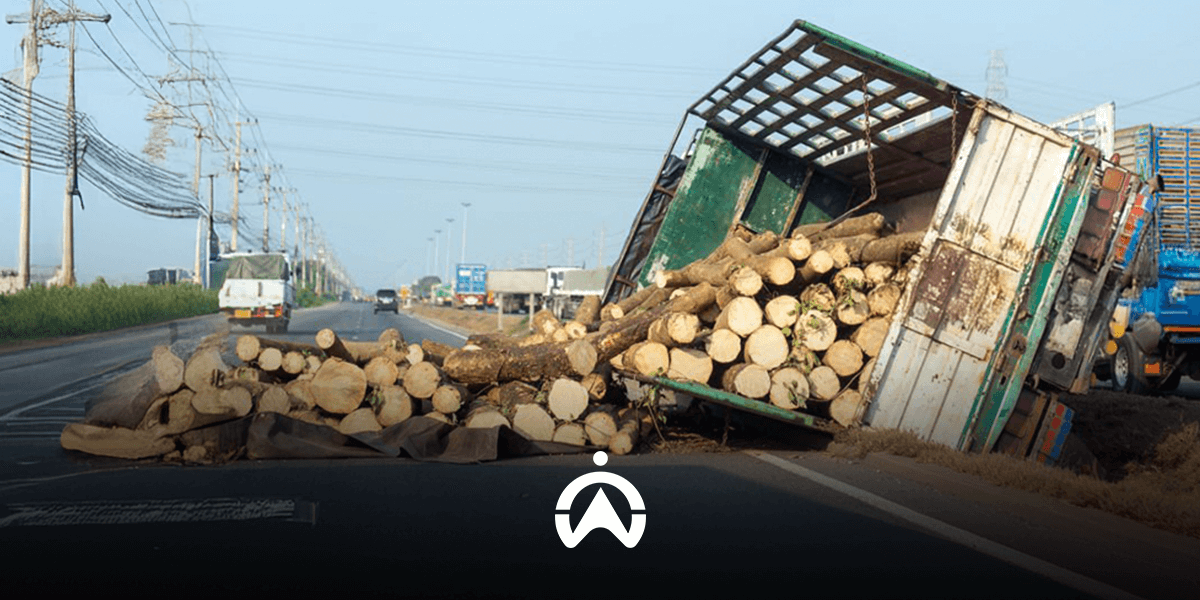
Unfortunately, overloading remains relatively common, especially for commercial cargo trucks. So, what are the unforeseen risks of overloading, and what can businesses do to prevent it effectively? Let's explore the details below.
Definition of overloading
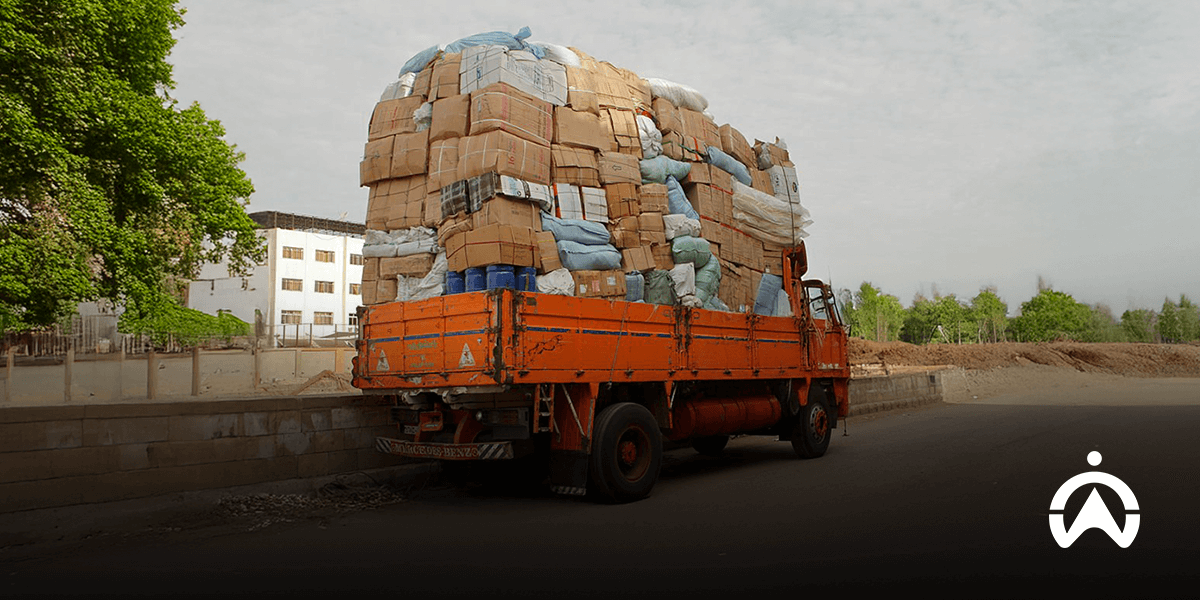
Simply put, "overload" means "carrying an excessive weight." This term is associated with road transport vehicles, especially commercial trucks carrying loads exceeding the permitted weight limit. This situation can occur on all types of transport vehicles, from light trucks to heavy-duty tractor-trailers.
A vehicle is considered "overloaded" when the total weight of the vehicle and cargo exceeds the Gross Vehicle Weight (GVW) recorded in the Technical Safety and Environmental Protection Inspection Certificate. When overloaded, the entire operating system of the vehicle is forced to work excessively hard, directly damaging the engine, braking system, tires, and suspension system.
Causes of overloading
There are many reasons why overloaded transport vehicles continue to occur in Vietnam, including:
- Negatively optimizing operating costs.
Many businesses intentionally overload trucks to reduce the number of trips. By carrying excessive loads, businesses expect to save on fuel costs per ton, reduce driver labor costs, and lower depreciation expenses. - Competitive pressure on freight rates.
Intense competition in the logistics market forces many businesses to find ways to lower shipping costs in order to win contracts. In addition, the pressure to deliver goods quickly to meet deadlines also leads many companies to accept the risk of overloading their shipments. - Limitations in capacity and number of vehicles.
Small-scale transport businesses with a limited number of vehicles often tend to overload their vehicles, especially during peak transport seasons. The pressure to meet internal delivery targets (KPIs) imposed on drivers and warehouse dispatch departments is also a direct cause of overloading violations. - Chasing short-term profits
For some companies transporting large volumes of bulk cargo (construction materials, agricultural products, minerals), overloading is seen as the quickest way to maximize profit margins. Typically, these businesses choose to sacrifice short-term gains while ignoring long-term risks to technical safety and legal penalties. - Field personnel lack knowledge and a sense of compliance.
Overloading sometimes stems from the reckless behavior of loading and unloading personnel or drivers on-site due to a lack of proper training in vehicle safety and technical procedures. Instead of saving costs, this behavior actually costs businesses much more due to rapid vehicle damage and significant repair expenses later on.
Read more: Pre-trip vehicle inspection process: A strategic step in fleet safety management.
Legal regulations related to oversized and overloaded vehicles in Vietnam.
In Vietnam, the government strictly controls vehicles that violate size and load limits. The system of legal regulations governing this behavior includes:
-
Law on Road Traffic Order and Safety No. 36/2024/QH15 and Law on Roads No. 35/2024/QH15.
-
Government Decree stipulating the conditions for conducting transport business and penalties for administrative violations in the field of road transport.
-
Circulars from the Ministry of Construction and the Ministry of Transport regulate the load capacity and dimensions of roads; the circulation of overloaded and oversized vehicles; and the inspection of motor vehicle load capacity at fixed and mobile weighing stations.
Despite strict penalties, the risk of traffic accidents caused by oversized and overloaded vehicles remains a serious problem on national highways and expressways. Authorities are continuously launching specialized campaigns to inspect vehicle weight limits nationwide in order to completely eliminate this situation.
The dangers and serious consequences of overloading.
Overloaded vehicles cause serious consequences for traffic safety, damage road infrastructure, and directly reduce vehicle lifespan. Not to mention, businesses also face substantial administrative fines from authorities.
1. Rapid destruction of mechanical components.
Overloading causes severe wear and tear on load-bearing components: brake pads wear out quickly, suspension systems (leaf springs, shock absorbers) break or deform, and tires risk exploding due to excessive pressure. The entire mechanical system is forced to operate beyond the manufacturer's design tolerances.
From an economic perspective, this technical malfunction disrupts the entire supply chain. Instead of optimizing costs, businesses incur expensive repair costs and have to replace components much sooner than anticipated.
2. Sudden increase in fuel consumption.
The excessive load forces the engine to operate at maximum power and continuously maintain high RPMs to pull the load and keep the vehicle stable. This significantly increases fuel consumption, completely negating the company's initial goal of fuel efficiency.
Soaring fuel consumption also means significantly increased greenhouse gas emissions.CO2) and smoke and dust released into the environment. If a business is aiming for green supply chain standards and sustainable development (ESG), this is something that must be eliminated.
3. Risk of catastrophic traffic accidents
Overloading severely impairs a vehicle's ability to control, steer, and maintain balance. Excessive weight significantly extends braking distances and can even lead to complete brake failure when descending hills or braking suddenly.
When vehicles travel along winding mountain roads or around curves, the high inertia makes them very prone to overturning and causing chain-reaction accidents. In addition, overloaded cargo risks spilling onto the road, creating a deadly trap for other vehicles sharing the road.
In reality, many serious chain-reaction accidents on highways and national roads are directly caused by overloaded vehicles losing their brakes or overturning. When accidents occur, the damage to people and property for businesses is enormous.
4. Serious damage to transportation infrastructure.
Overloaded vehicles are a major cause of road surface damage, creating ruts and destroying bridge and culvert surfaces on transportation routes. Not only on national highways, overloaded vehicles also cause serious damage to internal roads in industrial zones, seaports, and business warehouse areas.
If the regulatory authority determines that the company is the cause of damage to the road infrastructure, it will have to compensate for the full cost of restoring the road surface. Additionally, the damage to the roads around the factory will result in further internal repair costs.
5. Violating the law and facing severe penalties.
When detected as overloaded at weight inspection stations or mobile weighing stations, vehicles are forced to unload their cargo on the spot and face severe administrative penalties applied to both the driver and the vehicle owner. This mandatory unloading incurs additional costs for temporary storage and seriously delays delivery schedules to partners.
In addition, vehicles and drivers may have their inspection certificates, transport permits, and driver's licenses revoked for a specified period, disrupting the business operations of enterprises.
Read more: Enhance road safety standards with Fleet Management Technology.
Effective solutions for preventing overloading.
The problem of overloaded cargo vehicles can be completely controlled and eliminated if businesses establish strict management procedures and apply modern technology. Below are strategic solutions that businesses should implement:
1. Understand the technical specifications and permissible load capacity of each vehicle model.
In many cases, overloading occurs because warehouse operators and personnel do not properly understand the vehicle's load capacity specifications. Overloading can occur even when the cargo volume does not completely fill the truck bed, especially for goods with high density such as steel, cement, minerals, sand, and stone.
To address this, businesses need to be aware of the permitted payload and gross vehicle weight (GVW) clearly stated on each vehicle's registration certificate to ensure they never load more than the allowed limits.
2. Develop a scientific cargo loading plan and optimize the route.
Businesses need to develop a standard cargo loading plan for each trip. This ensures even distribution of cargo weight across all axles to optimize the center of gravity and maintain vehicle stability during movement.
Instead of trying to cram more goods into a fleet to reduce the number of trips, businesses should implement route optimization solutions. This shortens delivery times and saves on fuel costs in a safe and transparent manner.
3. Mandatory inspection of cargo weight before departure.
During loading and unloading, on-site personnel often estimate the volume of the truck bed visually without actually weighing the load. This is why vehicles are easily detected for violations when passing through weigh stations on the road.
Vehicle impoundment and fines at weigh stations significantly damage cash flow and business reputation. Businesses need to implement regulations mandating vehicle weighing at warehouse weighbridges before departure, and strictly verifying the weight against the permitted load limits.
4. Providing professional training and improving compliance awareness for the operations team.
In many cases, businesses suffer the consequences of the reckless behavior of drivers or delivery personnel who arbitrarily accept extra goods for personal gain. However, this situation can also stem from lax management policies at various levels.
The management team needs to ensure that the executive management team understands the legal and technical risks of overloading in order to resolutely enforce regulations. Simultaneously, the company should periodically organize training courses on safety culture and traffic law compliance for its drivers.
5. Maintain a regular technical inspection and maintenance process.
To prevent potential technical risks from overloading, businesses need to invest seriously in regular vehicle maintenance. Regular inspections help detect early signs of leaf spring damage, chassis deformation, or abnormal tire wear caused by heavy loads.
This process indirectly eliminates past incorrect operating habits. Furthermore, maintaining proper maintenance ensures that the vehicle consistently passes mandatory technical inspections without incident.

Fleet Maintenance Solutions from Cartrack
Many transport companies fail to maintain regular technical inspection procedures, resulting in mechanical failures only being discovered after a vehicle has broken down. When that happens, the company suffers double losses from high repair costs and fines for delayed deliveries.
Businesses can completely control these risks through intelligent preventive maintenance processes using Cartrack Maintenance from Cartrack. With Cartrack Maintenance, you can:
-
Automate your scheduled maintenance appointments: The system automatically sends maintenance reminders when the vehicle reaches a specified mileage or time.
-
Ensure safe operating conditions: Prevent vehicle breakdown risks with features like early engine fault diagnosis and the creation of an inspection checklist before scheduling maintenance.
-
Transparent repair process management: Drivers can submit repair requests directly through the mobile app, allowing managers to proactively arrange replacement vehicles and schedule appropriate downtime.
-
Detailed control of the maintenance budget: Track and analyze all repair and replacement costs for each vehicle to eliminate wasteful or fraudulent spending.
Thanks to the Cartrack Maintenance solution, businesses can manage vehicle maintenance and repair in a standardized, scientific, and transparent manner. This is a powerful tool to help you maintain the perfect technical condition of your fleet, prevent damage from overloading, and ensure your vehicles are always ready for technical inspections.
Cartrack Maintenance is a core module within Cartrack's comprehensive Fleet Management ecosystem, helping businesses enhance the efficiency of their commercial vehicle management. Click the link below to receive a personalized consultation tailored to your business!