EN
EN  VI
VI 


Gain full visibility of your vehicle’s engine diagnostics, odometer readings, fuel levels, driving speeds, and driver behaviour in real time to combat EV range anxiety and boost fleet longevity and efficiency.
Cartrack’s integrated solution for your CAN bus is trusted by leaders in key industries:
- Cargo Logistics
- Food Delivery
- Courier Services
- Public transport
- Mining & Minerals
- Waste Management
- Emergency Services
- Fuel & Oil Logistics
- EV
- Rental & Leasing
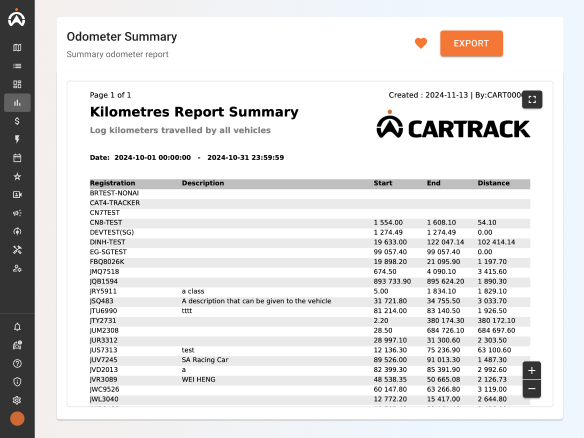
Get real-time, accurate odometer readings
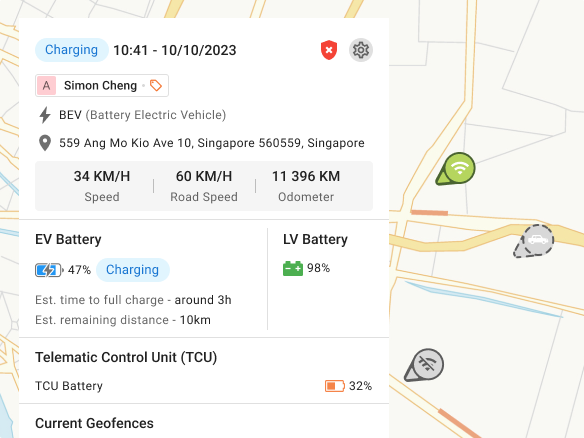
Collect valuable EV data
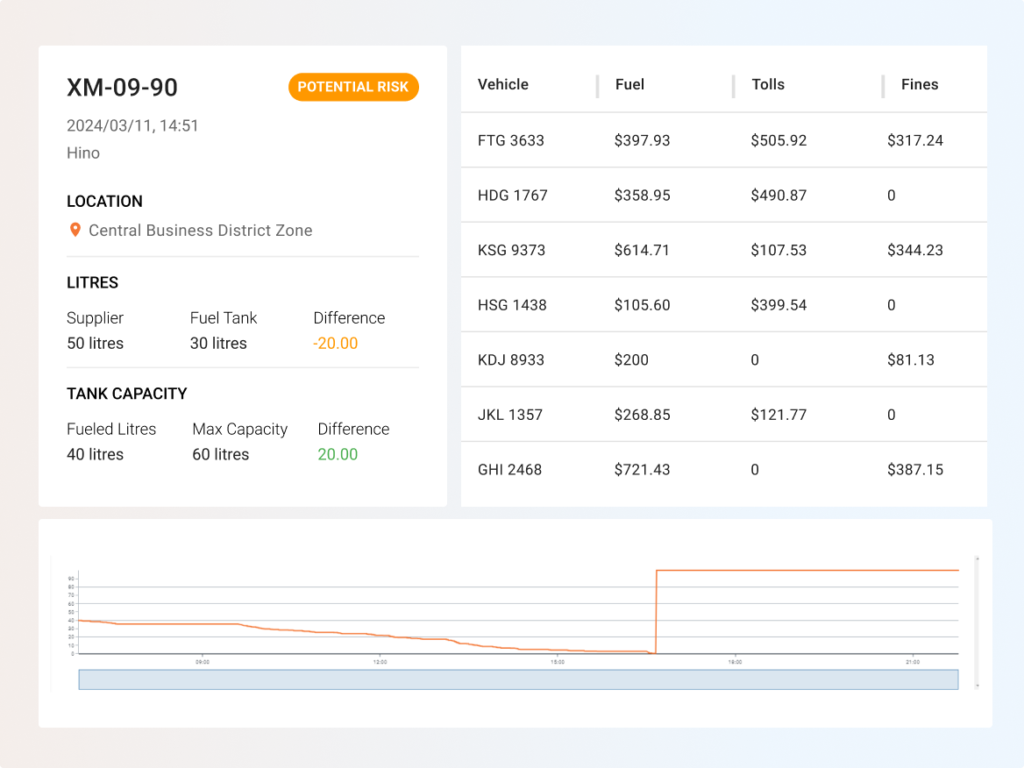
Cut costs with accurate fuel data
Why Choose Cartrack for your Can bus readings?
Gain accuracy:
Get precise data straight from your vehicles’ central systems, ensuring real-time readings you can trust
Stay proactive:
Receive instant alerts on faults, low levels, and risky driving to act before issues escalate
Protect vehicles:
Track wear, detect misuse, and keep your fleet roadworthy with continuous system monitoring
Improve performance:
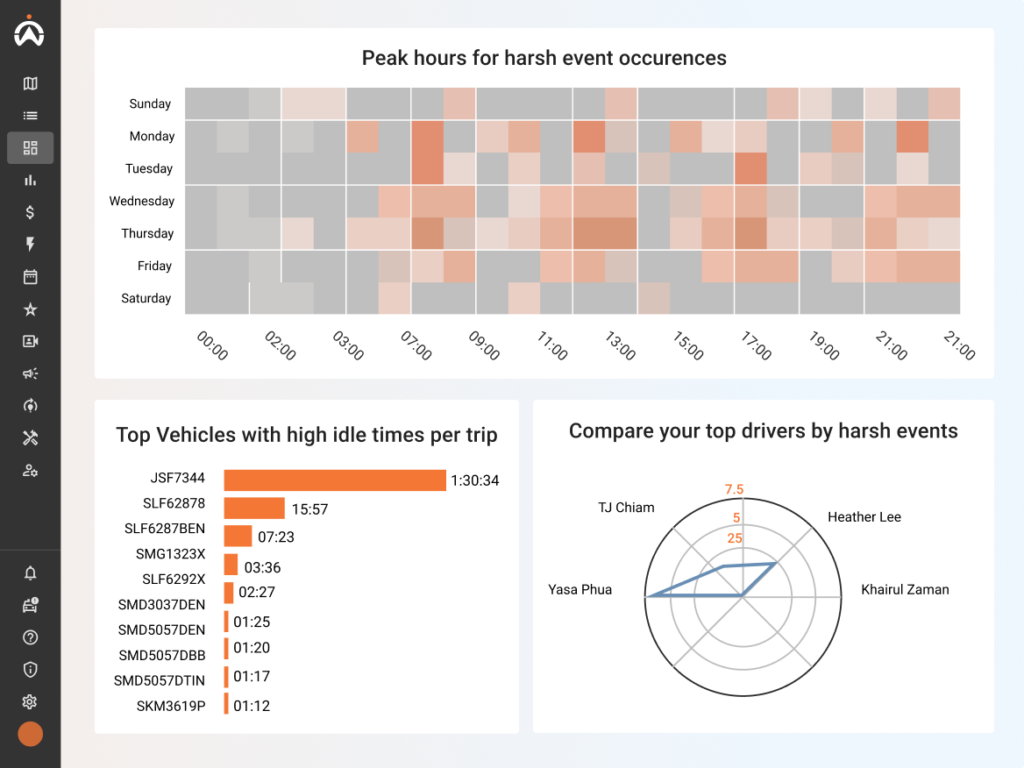
Use detailed CAN bus insights to optimise driving habits, reduce fuel costs, and extend vehicle lifespan
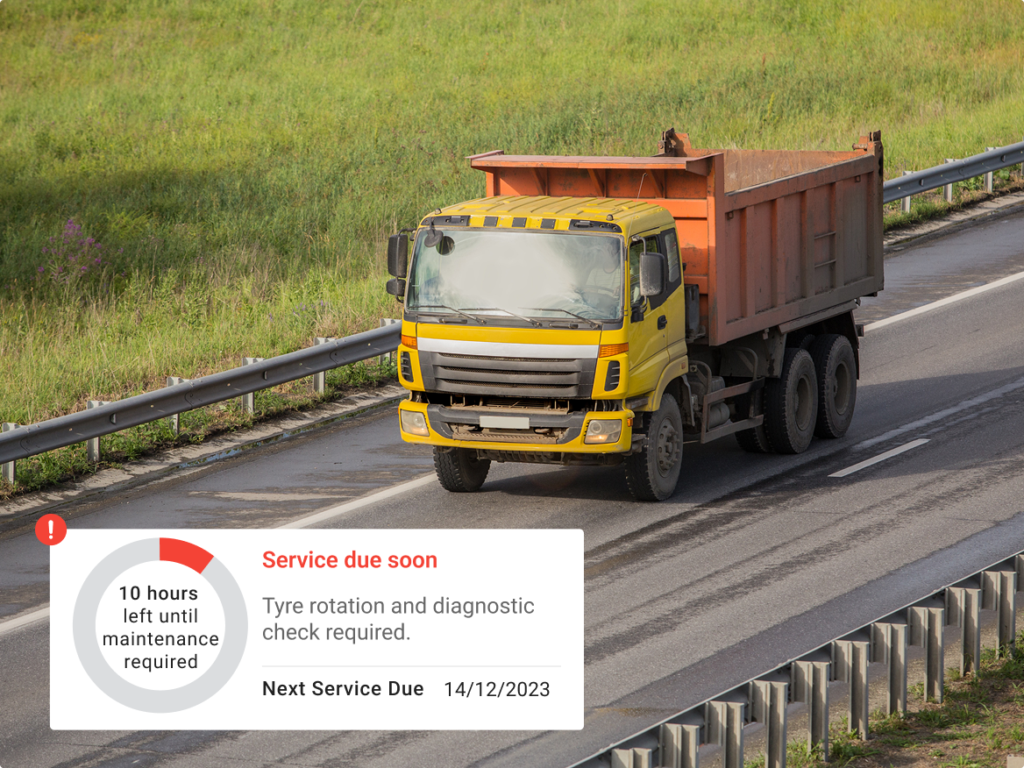
React faster with engine diagnostics
Get detailed vehicle data for optimising your fleet
Below are some examples of CAN bus data (depending on the make and model of your vehicles). These aren’t exhaustive, but give you an idea of how this data can help protect and optimise your operations.
| Reading | What it shows | Why it matters |
|---|---|---|
|
Engine RPM |
How hard the engine is working |
Helps spot engine strain or misuse |
|
Fuel levels |
Current fuel tank level |
Helps calculate fuel efficiency and reduce fuel costs |
|
Engine temperature |
How hot the engine is |
Helps prevent overheating |
|
Brake pads |
Wear level of the brake pads |
Helps prevent brake failure and accidents |
|
Oil levels |
Amount of engine oil available |
Helps protect the engine from damage |
|
Tyre pressure |
Air pressure in each tyre |
Improves safety and fuel efficiency |
|
Vehicle diagnostics |
Status of dashboard warning lights |
Alerts drivers to faults early |
Frequently Asked Questions (FAQ)
Is Cartrack’s system compatible with any vehicle’s CAN bus?
Can you get all of this CAN bus data for all vehicles?
How is my vehicle’s CAN bus data accessed?
Can CAN bus data be integrated with GPS systems?
Resources
Other relevant articles
Harness the power of your vehicle’s CAN bus data to elevate your fleet’s needs
"(Bắt buộc)" indicates required fields