EN
EN  VI
VI 


What is fleet management in logistics?
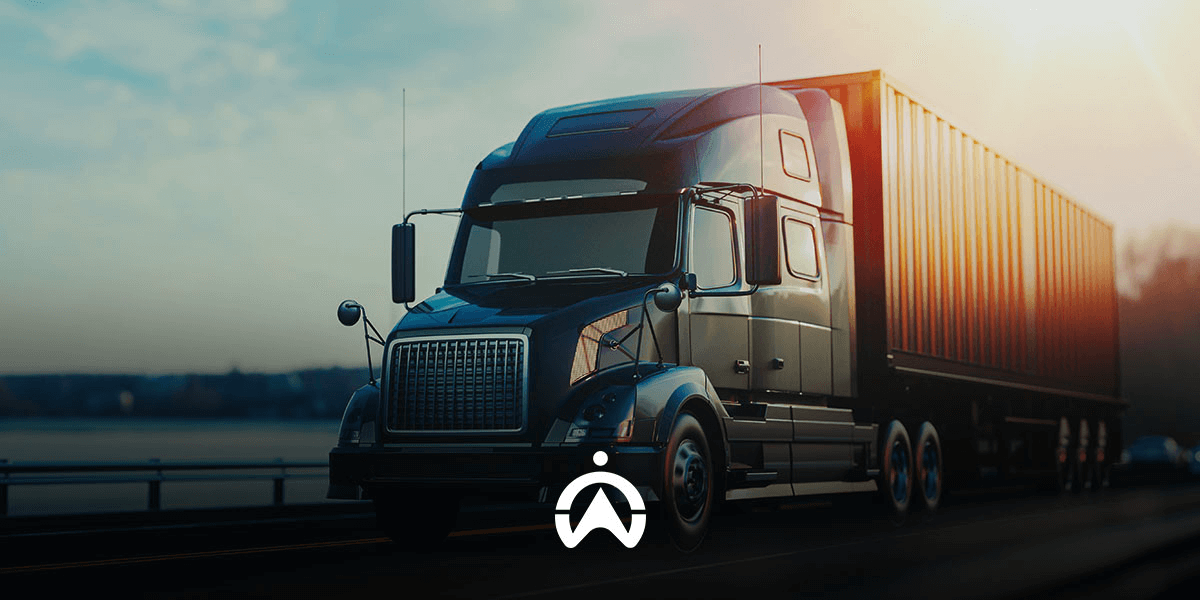
Effective fleet management is a core process that ensures all of a company's commercial transport vehicles are maintained in optimal operating condition. The role of a fleet manager is to closely monitor and supervise vehicle operations, while optimising operational efficiency to accurately achieve transportation targets. In the logistics chain, maintaining a smooth operational process is crucial to the quality of customer service (SLA) and the competitiveness of the business.
The role of a fleet manager in logistics.
In fact, the professional lines between logistics managers and fleet managers are closely intertwined.
Logistics managers are responsible for inventory planning, supply chain coordination, and freight rate negotiations. Meanwhile, the core task of a fleet manager is to execute those plans: ensuring goods are delivered on time, optimising costs within budget, and minimising risks. This is achieved through optimising routes, monitoring driver behaviour, and conducting in-depth telematics analysis. As a result, goods are always transported precisely to each destination while maintaining the vehicle's technical condition.
Having a dedicated fleet management team is a key factor in elevating a company's logistics processes. The synergistic relationship between fleet management and logistics operations forms a solid foundation for the entire end-to-end value chain, directly impacting the consumer's delivery experience. Scientific route planning and vehicle tracking require absolute precision and meticulous attention to detail – these are the hallmarks of an outstanding fleet manager.
There are numerous touchpoints connecting logistics operations and fleet management.
For example, a logistics manager might calculate the volume and load capacity of goods to be loaded onto a vehicle, but a fleet manager must monitor fuel consumption and actual travel time to complete an order. Suppose a school uniform supplier suddenly experiences a delivery delay; data from the fleet management system would provide crucial insights to help analyse the root cause of the problem.
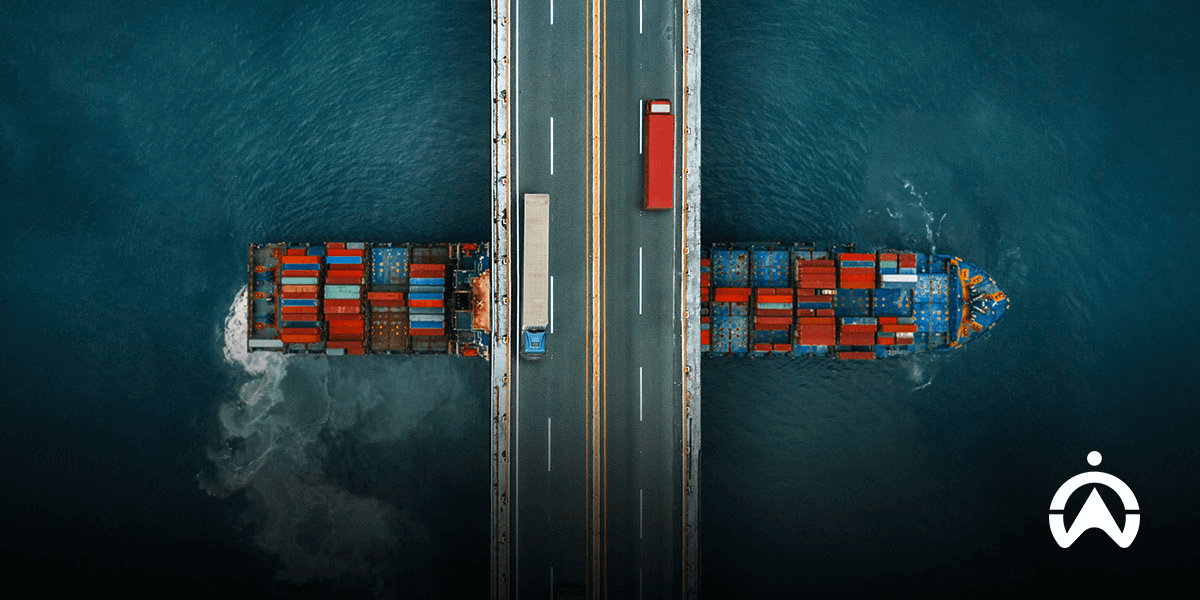
To better understand how these two areas of business combine to improve business efficiency, let's analyse the core differences between fleet management and logistics.
Fleet Management vs. Logistics: What are the differences?
We all have a general understanding of modern fleet management. However, when placed within the broader context of the logistics chain, this concept becomes more specialised and in-depth. Below is a detailed analysis of each independent definition.
Read more: A system for managing specialised vehicle fleets for the mining industry.
What is Fleet Management?
Essentially, fleet management is a method by which businesses monitor and coordinate all their transport vehicles to ensure goods are transported safely and on schedule. The core responsibility of a fleet manager is to utilise operational data to improve driver awareness, optimise travel routes, proactively plan regular maintenance, and ensure compliance with road safety regulations.
What is logistics?
Logistics is a comprehensive system for optimising the flow of goods to the right place at the right time. It's a smoothly coordinated process, from managing the flow of goods and controlling inventory to optimising transportation routes, creating the foundation for businesses to provide superior customer service. The logistics cycle spans from loading and unloading goods onto trucks and trailers to monitoring the entire distribution network.
How does logistics affect business operations?
Businesses depend on the flow of products and services, so they absolutely need a logistics system to operate successfully. However, it's crucial to understand the different types of logistics and how they impact the entire business operation. Let's look at a specific example.
Garment Industry
In the garment industry, the primary goal is to create finished, ready-to-wear clothing products. But the process must always begin with the fundamental steps:
The process begins with inbound logistics: transporting raw materials such as yarn, fabric, and textile accessories. Considering the next step, once this fabric is selected to realise the design, it will be transported to the next location, which is the manufacturing/garment factory. Then, we need this fabric to reach the place where it can be produced into the desired product, and this is where logistics plays a fundamental role.
Once the clothing is finished and ready for sale, the outbound logistics process begins. This is when the finished product is transported to distribution channels. These could be online sales channels or retail stores where consumers can directly see and try on the clothes before buying.
If a purchased item needs to be returned, we move on to reverse logistics. Returning products to the manufacturer is an essential part of logistics that any business dreads. This can happen due to unsold inventory or defective products, and the logistics department then has to transport all those goods back to where they were manufactured. The subsequent handling of the product is entirely up to the business, whether it's recycling or disposal.
To achieve and sustain success, businesses need a thorough understanding of the flow established by the logistics process. From the moment raw materials are transported to the actual production stage, a tightly linked chain is formed. Furthermore, the entire operation depends on how well each department fulfills its role and how efficiently they perform their assigned tasks.
How to Optimise Logistics Management for Effective Performance?
Now that we understand the different types of logistics, we can find ways to improve our business operations and optimise our logistics management processes. All businesses aspire to be leaders in their industry, and the fastest way to achieve that is through excellent delivery service.
It all starts with a standardised packing process. Ensuring all goods are packed, stored safely, and ready for shipment requires an established, well-structured procedure. A robust packing process also helps reduce the burden of loading, unloading, and inventory checks after delivery.
Effective communication is fundamental to all solutions, and maintaining continuous information flow while implementing a logistics strategy can significantly improve operational efficiency.
Planning routes for the fleet and monitoring fuel consumption regularly helps accurately control the time the fleet spends on the road. With route planning and fuel monitoring, businesses can measure the fuel requirements for each vehicle, thereby achieving delivery goals in the most cost-effective way.
In logistics companies, delivery is the top priority, and once you have a smooth operational flow for your business, delivery efficiency will automatically improve. Businesses can boost customer satisfaction by implementing systems that align with company values and ensure a seamless workflow with stakeholders.
Here's how improving logistics using a smart fleet management system transforms your business into a smoothly operating machine. This takes time, and during that time, a standard pace will gradually develop. Implementing a comprehensive, compatible system that covers all aspects and enhances operational speed is the winning formula for sustainable performance.
Read more: Fleet Management Systems: Definition and Benefits for Businesses
How does a Fleet Management System work?
A fleet management system is key to upgrading logistics capabilities. The Cartrack telecommunications and vehicle monitoring technology platform allows businesses to comprehensively track their fleet in real time, while storing complete and detailed journey history data.
Logistics efficiency is significantly improved when managers closely monitor the following indicators:
-
Real-time fleet location: Accurately tracking vehicle coordinates allows for quick order dispatch, meeting urgent delivery requirements.
-
Fuel consumption: Accurate fuel monitoring optimises refueling frequency and effectively prevents fuel fraud and loss.
-
Speed of travel and driver behavior: Besides delivery schedules, transportation safety is always a top priority. Telecommunications data supports speed monitoring and allows for immediate correction of dangerous driving behaviors.
-
Regular maintenance and servicing: Real-time alerts and automatic maintenance reminders enable management to proactively monitor technical conditions, extend vehicle lifespan, and minimise downtime.
Cartrack partners with businesses to master logistics operations.
After much discussion about fleet management and logistics, we can see how logistics is significantly improved through a fleet management system. Cartrack offers flexible solution packages, specifically customised to each business model, helping managers master operations and build a superior competitive advantage.
Cartrack Delivery (Delivery Management Solution):
Simplify the task coordination process and monitor orders in real time from warehouse to last-mile delivery. Complete digitization enhances delivery visibility and intelligently allocates orders to drivers. Route optimization features determine the optimal delivery order, thereby shortening travel time, saving fuel, and accelerating order fulfillment.
Live GPS Tracking:
Cartrack's real-time GPS technology provides visual monitoring of the entire fleet on a digital map. Operators can check vehicle locations to improve operational efficiency or provide timely emergency support, coordinate response, and quickly trace vehicles in cases of theft.
Geofencing:
This system allows for the establishment of virtual boundaries around warehouse areas, docks, delivery points, or restricted routes. It automatically detects and alerts when vehicles enter or exit these boundaries, expanding operational monitoring capabilities and ensuring drivers strictly adhere to assigned routes and schedules.
AI SmartCabin Camera Solution:
The system integrates artificial intelligence (AI) technology to accurately identify driver behavior, supporting two-way live video and audio transmission to the control center. It automatically issues instant audio warnings in the cabin when it detects driver distraction or dangerous behaviors such as using a phone, smoking, yawning, or fatigue.
The automated camera system starts recording as soon as the vehicle begins to operate. When drivers are aware that their actions are being transparently monitored, they will proactively drive more safely and responsibly. This helps businesses significantly reduce fuel costs, minimise vehicle wear and tear, and increase overall productivity.
Contact Cartrack today to discover how to master comprehensive logistics operations through market-leading fleet management technology. Click the link below!
Read more: What are the benefits of Task Management Tools for Coordinators in an Enterprise?