EN
EN  VI
VI 



What is data-driven decision-making?
Data-driven decision-making is a method that applies real-world data and in-depth analytical models to guide all management decisions. When applied to fleet management, this process involves collecting, processing, cross-referencing, and visualizing data from various sources, such as vehicle performance reports, driver behavior logs, and maintenance history. This valuable information helps businesses identify operational trends, detect bottlenecks, and glean valuable business insights for future strategic planning.
Core data types in fleet management
A commercial vehicle fleet generates a wealth of data that needs to be collected and analyzed regularly, including:
-
Location and Trip Data: Thanks to the integration of IoT devices and GPS positioning coordinates, managers can look up the entire travel history of vehicles and monitor their real-time location on a digital map.
-
Driver Behavior Data: This data set provides a comprehensive picture of drivers' actual driving styles, including their adherence to speed limits, reckless/aggressive driving habits, incidents of sudden acceleration, emergency braking, and sharp turns.
-
Telemetry Data: It provides in-depth vehicle operating specifications, including actual speed, fuel consumption, engine performance status, total mileage (Odometer), and many other important operating indicators.
-
Vehicle Maintenance & Health Data: This helps managers accurately track the technical condition of each vehicle and store complete records of repair and scheduled maintenance history.
-
Traffic Safety & Incident Data: Record all risk events on the road, including collision warnings, accident reports, and traffic safety violations.
The Role of Telematics in Fleet Data Collection
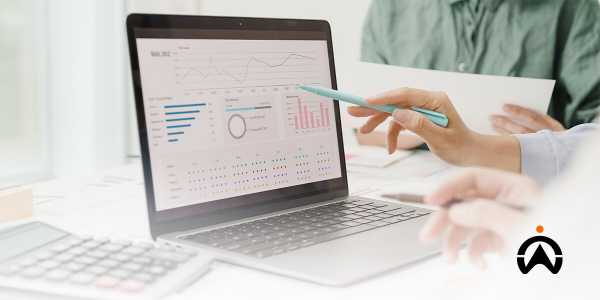
Telematics devices function as intelligent in-vehicle computers, seamlessly integrating a GPS navigation module with a specialized sensor system. This technology works in perfect harmony to monitor, record, and comprehensively report the vehicle's technical status and driver performance.
Telematics technology serves as the backbone of fleet data collection processes thanks to its seamless integration of telecommunications and information technology (IT), supporting multi-channel data collection, transmission, and analysis from all types of vehicles.
A standard, efficiently operating telematics system requires a combination of the following elements:
-
Global Positioning System (GPS) technology: Integrating GPS satellite positioning into telecommunication devices helps determine vehicle coordinates and monitor their journey in real time with high accuracy.
-
Wireless Network Infrastructure: Connecting to Wi-Fi along with a high-speed mobile network (such as 4G LTE, 5G) ensures a smooth and secure data transmission and synchronization from the vehicle's GPS device to the cloud server system.
-
Specialized Monitoring Sensor System: Integrating peripheral sensors with telematics equipment into fleet management software provides the most detailed operational data. A prime example is the application of temperature sensors in cold chain logistics: the system continuously measures the temperature of cargo containers in real time and automatically triggers alerts upon temperature fluctuations, allowing operators to immediately contact drivers or promptly dispatch replacement vehicles to preserve cargo quality.
How does the Telematics technology process collect fleet data?
Telematics systems operate according to a closed, standardized process:
-
The system collects data on the vehicle's coordinates, route, and operating status via a GPS tracking device mounted on the vehicle.
-
Encrypt and transmit data streams to the server via a secure mobile network infrastructure.
-
Visualize all vehicle data (location coordinates, engine On/Off status, idle time) and driver behavior on the centralized fleet management software interface (web platform and mobile application).
Why is Data-Driven Decision Making Critical for Fleet Management?
Here are three strategic reasons why data-driven management approaches can help businesses improve their operational efficiency:
- Maximize Fleet Safety Standards:
Data-driven decision-making plays a fundamental role in enhancing safety by leveraging real-time data to standardize safe driving culture and optimize operations.-
Identify risky driving behaviors early: Telematics systems provide in-depth analytical data that helps detect dangerous driving habits. By monitoring these behaviors and identifying patterns of violations, managers can implement timely corrective training solutions to prevent road accidents.
-
Proactive Preventive Maintenance: Analyzing operational data helps detect early signs of potential mechanical failures before they become safety hazards, saving on major repair costs and increasing vehicle lifespan. This solution minimizes downtime and reduces accidents caused by technical problems, maximizing driver safety.
-
- Promoting Reduction and Optimization of Operating Costs:
To achieve sustainable cost savings, businesses need to possess accurate fleet data and leverage it intelligently:-
Fuel Control and Monitoring: The fuel sensor solution provides transparent, real-time data on fuel consumption and costs for each vehicle. The system helps businesses identify the root causes of abnormal fuel consumption (such as fuel theft or invoice fraud). Accurate data enables managers to proactively prevent losses and completely eliminate unnecessary waste.
-
Asset Monitoring & Optimization: The application of asset tracking software helps to thoroughly understand the technical condition and profitability of each vehicle. Businesses can easily identify which vehicles are operating efficiently and which are exceeding operating costs, thereby allocating the right vehicles to the right purposes. These analyses provide a solid foundation for management to make sound asset restructuring decisions (liquidation or investment in new vehicles), operating the fleet safely, optimally, and in the most cost-effective way.
-
- Enhance Customer Satisfaction and Experience:
The quality of delivery services directly impacts business development. Data-driven management methods help improve service through:-
Optimize your travel route: Intelligent route planning offers a double benefit for both operating costs and customer service quality. By directing drivers along the most optimal and shortest routes, businesses ensure superior on-time delivery rates while minimizing fuel consumption.
-
Proactive Interaction & Information Exchange: Based on real-time journey data, the dispatch team can predict traffic-related delay risks early. By optimizing communication between drivers and managers, shipment progress is continuously updated 24/7. This allows businesses to proactively inform customers about estimated arrival times (ETA), enhancing service reputation and strengthening partner trust.
-
Raw data would be meaningless numbers if it weren't transformed into useful solutions to operational problems. With the aforementioned in-depth data analytics system, businesses will possess a tool for visual, real-time performance evaluation, providing a foundation for making informed operational decisions to achieve maximum transportation efficiency.
Consequences of Fleet Management Businesses Lacking a Database
Fleet management requires close control over all vehicles to ensure safety, reduce costs, and improve overall productivity.
If a business operates its fleet based on intuition and lacks data support, it will face many serious risks:
-
Inefficient operation, increased costs: Lack of data on route analytics, vehicle usage frequency, and routine maintenance plans can lead to businesses incurring uncontrollable and soaring operating costs.
-
Increased safety risks and accidents: The lack of tools to monitor driver behavior leads to serious violations going undetected, increasing the risk of traffic accidents and vehicle damage.
-
Serious fuel waste: The inability to optimize routes and the lack of tools to measure actual fuel consumption will lead to continuously rising fuel bills due to vehicles deviating from their designated routes or idling for too long.
-
Loss of reputation and decreased customer satisfaction: Due to the lack of historical delivery data storage and analysis to optimize processes, the delivery fleet frequently experiences order delays, negatively impacting customer experience and business reputation.
Optimize Fleet Management Decisions with Data-Driven Solutions from Cartrack Vietnam
Making accurate, data-driven operational decisions is a key factor differentiating a successful transportation business from an unstable one. Cartrack Vietnam deeply understands this challenge and is committed to supporting businesses in applying advanced telematics data technology solutions, delivering sustainable profitability.
Want to learn more about the solution? Click the link below to get expert advice!