EN
EN  VI
VI 


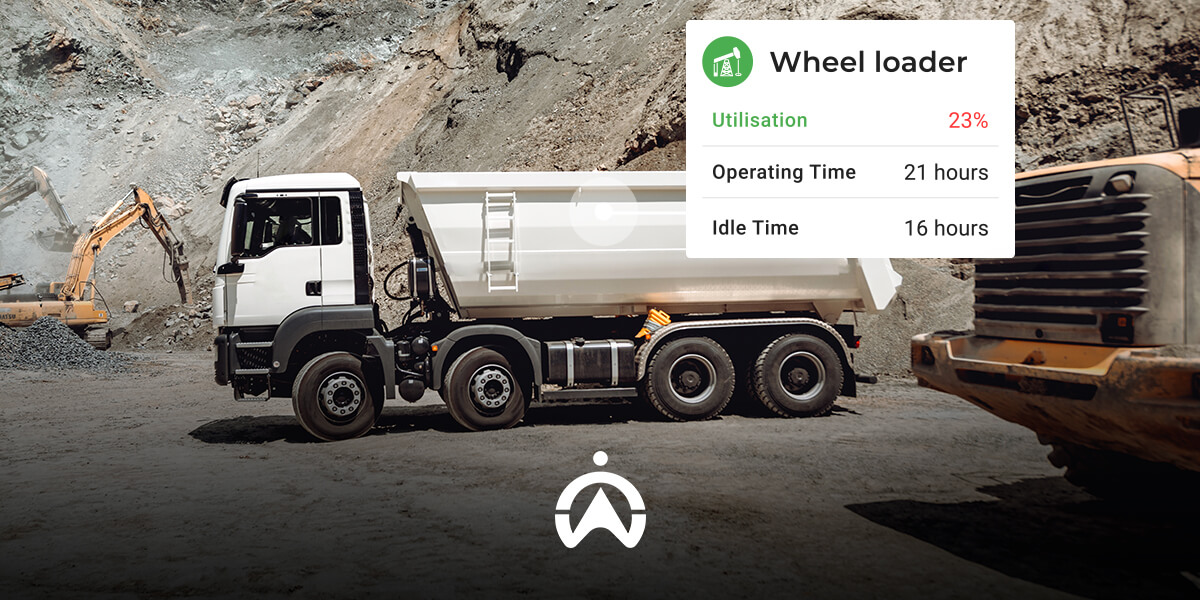
Idling, also known as engine idling (running at idle), is an unavoidable phenomenon in the operation of a company's vehicle fleet. Idling for a few minutes may be considered normal, but if it continues for hours, it requires serious inspection and assessment.
Idle engine operation can stem from actual operational needs (beneficial) or wasteful reasons (useless). Unfortunately, not many businesses recognize the need to monitor this indicator, while it directly impacts the financial efficiency and sustainability of their entire business operation.
What is "Engine Idling" in a vehicle?
Idling is the state where the vehicle's engine is running but the vehicle is stationary and not moving. A vehicle is considered to be idling when it is stopped in one place for a significant period of time, for example:
Traffic congestion
Waiting in line (at toll booths, cargo loading and unloading points, seaports, warehouses, etc.)
Stop to pick up/drop off passengers at the designated stop.
Currently undergoing inspection, repair, or maintenance of a vehicle part.
The driver deliberately left the engine running so he could turn on the air conditioner and rest inside the cabin.
At first glance, these situations seem harmless and do not cause any significant losses or negative impacts on the business. Many organizations believe it is unnecessary to monitor this metric without anticipating the potential economic damage behind it.
The negative impact of idling on businesses.
If vehicles in the fleet frequently idle for extended periods, the business will suffer significant losses:
1. Fuel waste
You may have heard the idea that turning the engine off and then on again consumes more fuel than letting it idle. In reality, idling wastes approximately 2 to 4.5 liters of fuel per hour of operation.
Imagine a business operating dozens to hundreds of vehicles, with constant idling every day. You'd be surprised at the enormous budget savings that could be achieved by scientifically controlling idling time.
2. Increased maintenance costs
Prolonged engine idling also directly damages the engine and its components because the fuel is not completely burned in the combustion chamber, leading to the accumulation of soot. This occurs because the energy generated from the fuel is only converted into stored heat energy without creating kinetic energy for natural cooling through the airflow.
If this situation continues, the engine will quickly deteriorate, increasing the frequency of breakdowns and the cost of regular maintenance and parts replacement. This is clearly a huge waste of budget in the long run.
3. Shortens the lifespan of the vehicle.
Every business aims to optimize the operational life of its vehicle assets with the lowest possible wear and tear. However, this goal is difficult to achieve if drivers continue the habit of idling their engines without understanding the technical consequences.
Vehicles that are constantly requiring repairs due to engine problems face the risk of severe and irreversible deterioration. This directly harms businesses due to the rapid decrease in asset depreciation value and forces them to invest in replacing vehicles sooner than expected.
4. Decreased operational productivity
Excessive engine idling can be a sign of driver inattention and decreased productivity, negatively impacting overall operational progress. Typical examples include delayed deliveries caused by drivers stopping and idling at roadside stalls or falling asleep in the cabin with the air conditioning on.
Furthermore, vehicles frequently experience technical malfunctions due to prolonged idling, resulting in unscheduled downtime. This disrupts delivery schedules, forcing businesses to incur additional costs by deploying replacement vehicles to reschedule.
5. Increased environmental pollution emissions
If a business is pursuing sustainable development and environmental protection, leaving vehicles idling is an irresponsible waste. Prolonged idling releases large amounts of greenhouse gases and fine particulate matter, increasing air pollution and directly impacting the health of drivers and the surrounding community.
This behavior can undermine a company's credibility in the eyes of partners and customers who share its green commitment. The company's brand image will suffer if commitments to a green supply chain and environmentally friendly transportation are consistently violated in practice.
Read more: What is a Fuel Management System?
Classification of engine idling: Useful (for operational purposes) and wasteful (useless)
In most cases, idling is a pointless activity that directly harms businesses. However, there are instances where idling is necessary to maintain work efficiency and transportation productivity.
Start the engine at idle speed for operation (Useful)
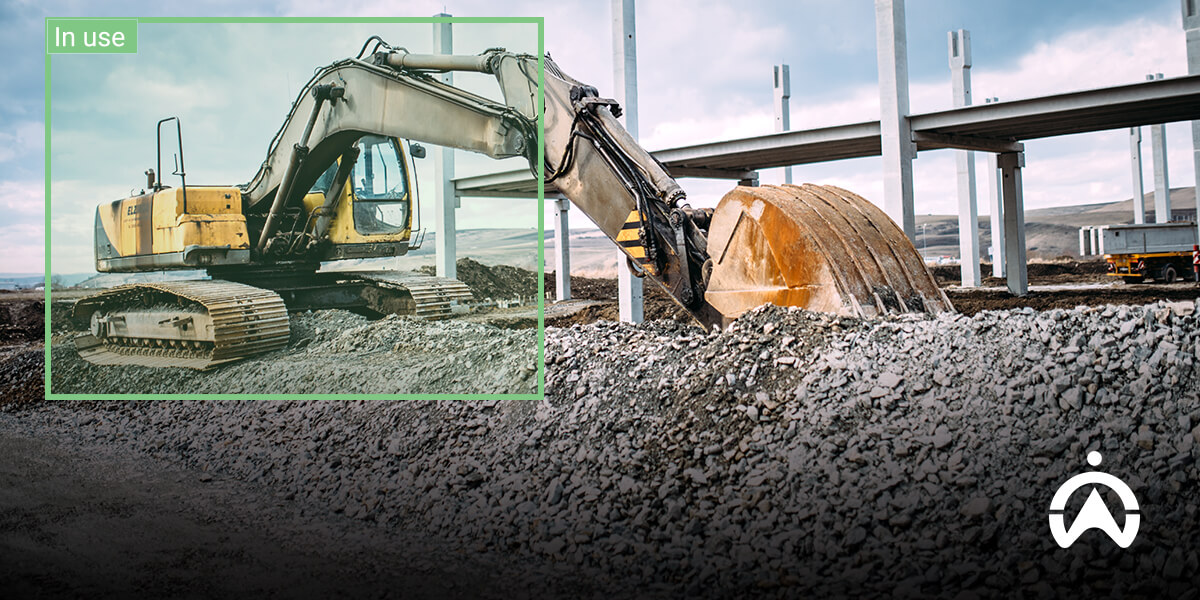
A typical example is idling on construction vehicles and heavy machinery, where the engine must remain running to power specialized auxiliary equipment. This is for instance when a vehicle is operating a self-propelled crane, a dump truck's tipping system, a garbage compactor, or an excavator's bucket in a fixed position.
The specific idling conditions on construction machinery can be accurately identified by installing a Power Take-Off (PTO) sensor integrated with a GPS positioning device. This sensor will record signals when the specialized mechanism is operating, thereby confirming that this is a useful engine running time for production.
Additionally, some specialized vehicles also require the engine to idle for operational purposes, such as refrigerated trucks, refrigerated container trucks, or vehicles transporting frozen food. These vehicles are required to have their engines running to power the refrigeration unit in the cargo compartment, ensuring continuous operation and maintaining the quality of the goods throughout the journey.
Idling the engine is wasteful (useless).
Idle idling is a state where the engine is running but the vehicle is stationary, not serving any business purpose or technical requirement. For example:
The process of stopping while waiting for goods to be unloaded.
Queueing up for the ferry at the port.
Waiting in line at the refueling station.
Stop to wait for a quick meal or attend to personal matters.
Severe and prolonged traffic congestion.
The driver stopped to rest inside the car but left the air conditioning and sound system on.
These instances of unnecessary engine idling can be completely eliminated, and drivers must proactively turn off the engine if they have to stop for an extended period.
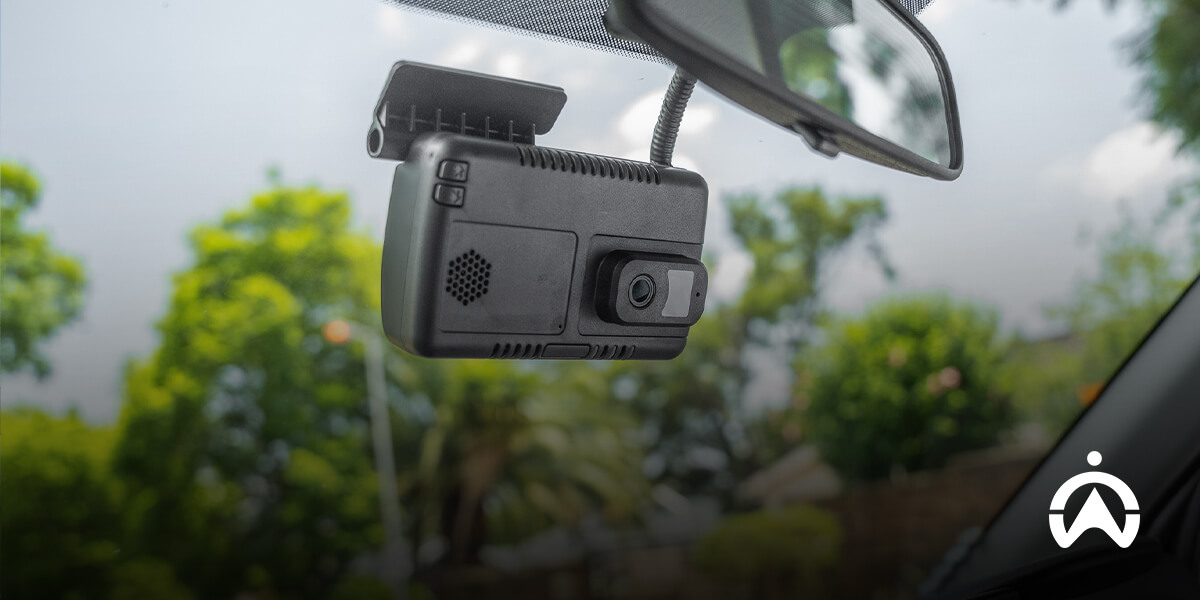
Control and minimize engine idling with a fleet management solution from Cartrack.
Idle driving can be measured, detected, and drastically reduced thanks to Cartrack's telematics system and specialized GPS tracking devices. With this technology, you can assess, train, and standardize driver behavior based on real-world data, and set permissible idle time limits for various operational purposes.
Cartrack's driver behavior monitoring feature integrates idle time measurement as a core performance indicator, helping you monitor your vehicle's condition through:
Visually identify the vehicle's status using color codes on the digital map (yellow indicates the vehicle is idling with the engine running).
Receive real-time alerts regarding engine idling exceeding the specified time limit.
Monitor the fleet performance management dashboard.
Automatically generate detailed periodic reports (in PDF or Excel file format).
In addition to GPS tracking and telematics equipment for recording vehicle status, Cartrack also provides a comprehensive technology ecosystem for corporate fleet management:
Fuel Monitoring Sensors and Systems: Accurately measure and control fuel consumption with 3 flexible sensor methods tailored to the specific characteristics of each vehicle model.
AI LiveVision & Non-AI Vision Camera: Enjoy comprehensive visual monitoring of the cabin and road conditions with an intelligent camera system integrated with artificial intelligence (AI).
Driver ID Card: Driver identification technology using specialized magnetic cards ensures that only authorized drivers can start and operate the vehicle.
Power off system / Remote start lock (Start Prevent): This security solution prevents vehicle theft by remotely disabling the vehicle's ignition/starting system via software.
Delivery Management App: Digitizing the goods delivery process, supporting automated order allocation, optimizing routes, and tracking driver progress in real time.
Dedicated IoT Sensor System: Cargo door sensor, PTO (Power Take-Off) sensor, rear door sensor, and refrigerated container temperature sensor.
SOS (Panic) Emergency Button: The emergency alert button allows drivers to send an emergency signal to the operations center immediately in the event of a sudden incident such as robbery, stroke, or road accident.
Take proactive control of idle time and eliminate fuel consumption issues with Cartrack's leading telematics solutions. Fill out the form below to receive expert advice on Cartrack's comprehensive Fleet Management System!
Read more: Optimize fuel consumption control with specialized fuel level sensors and gauges.