EN
EN  VI
VI 


What is a fuel management system?
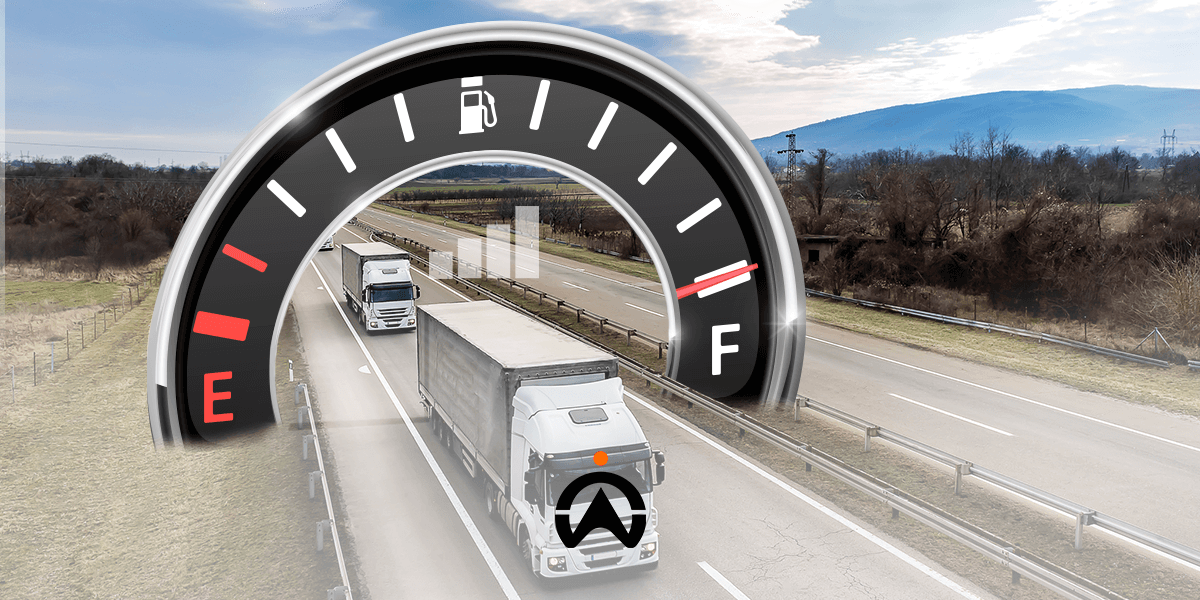
A Fuel Management System (FMS) is a solution for measuring and controlling fuel consumption in vehicles. As a core component of a fleet management solution, this system combines hardware and telecommunications software to automate the process of monitoring, verifying, and optimising fuel usage.
By providing accurate, real-time data on fuel consumption, the system helps managers automate the monitoring of consumption data and control all fuel-related activities in a transparent and efficient manner.
How does a fuel management system work?
The system is designed to provide in-depth operational analysis for managers. All engine fuel consumption and combustion rates are automatically monitored and recorded.
Vehicle-connected telematics devices will collect operational data and transform it into visual reports, centralised on a single management platform with the support of the following tools:
-
Fuel consumption sensor: Collect data on fuel consumption, distance traveled, and engine operating hours.
-
Fuel level sensor (oil dipstick): It is installed directly onto the fuel tank to measure and transmit real-time data on the actual amount of fuel remaining in the tank.
Key metrics collected to optimise fuel efficiency include:
-
Vehicle speed
-
Detailed vehicle operating history
-
Travel route
-
Engine idling time (when the engine is running at idle)
-
The driver's behaviour
-
Real-time fuel level fluctuations in the tank.
Risks associated with the lack of an effective fuel management system
A lack of strict fuel control can significantly impact the business efficiency of a vehicle fleet:
-
Fuel costs have skyrocketed.
-
Losses due to fuel theft.
-
Inefficient transportation and delivery routes.
-
Reckless driving wastes fuel.
-
Maintenance and repair costs have increased.
-
Vehicle fleet utilisation rate has decreased.
All of these wasteful practices will accumulate into huge costs over time. Implementing a precise fuel management system will help you quickly identify leaks and cut costs immediately.
The importance of fuel monitoring systems
Fuel monitoring systems are powerful tools that help managers collect and analyse fuel consumption data quickly and accurately, providing many practical benefits:
-
Improved driver behaviour: Identify and correct fuel-consuming driving habits such as prolonged idling, speeding, sudden acceleration, emergency braking, and reckless cornering – the main causes of skyrocketing fuel consumption.
-
Improve operational efficiency: Use actual fuel consumption data to plan future trips, understand the standard fuel consumption for each delivery, and proactively prevent delays along the way.
-
Optimise your travel route: Based on real-time data, managers can easily identify the most optimal routes and adjust less efficient routes to maximise fuel savings.
-
Completely prevent fraud and theft: Instantly detect abnormal fuel consumption through immediate alerts, preventing sophisticated schemes such as fuel theft, invoice fraud, and the forgery or copying of fuel cards.
-
Transparently disclose the operating costs of each vehicle: Understanding the fuel consumption of each vehicle is crucial for assessing operational efficiency, determining when maintenance or replacement of older vehicles is needed, and allocating the most fuel-efficient vehicles for long-distance routes.
-
Eliminate errors caused by manual data entry: Automating the entire process of collecting vehicle and driver data eliminates the previous manual record-keeping methods, which were prone to errors and lacked transparency.

How does Cartrack help optimise fuel management?
Cartrack simplifies fuel cost management, giving you a comprehensive overview of consumption levels, enabling early detection of leaks, and providing in-depth analytics to optimise your fleet budget.
-
Monitoring and improving driver behaviour: Cartrack software accurately tracks fuel consumption and identifies fuel-wasting driving behaviours. Studies show that idling consumes between 0.76 and 2.65 litres of fuel per hour, while sudden braking increases consumption by up to 40%. Cartrack's driver scoring feature identifies speeding, reckless driving, and sharp cornering errors, allowing you to provide timely training for your team and significantly reduce fuel costs.
-
Promote preventative maintenance: Vehicle maintenance plays a crucial role in fuel efficiency; underinflated tires, engine malfunctions, or low coolant levels all cause vehicles to consume more fuel. Cartrack helps you proactively schedule regular maintenance based on actual mileage, minimising downtime and preventing sudden spikes in fuel consumption due to vehicle deterioration.
-
Automated and transparent reporting: Directly integrated with a highly accurate fuel level sensor, the system automatically generates detailed reports on total consumption, initial and final fuel levels, average fuel consumption (km/liter), and alerts for prolonged engine stop-start events, sending them directly to your email.
-
Eliminate credit card fraud and fuel theft: Cartrack's intelligent algorithm automatically cross-references fuel purchase receipts with the vehicle's actual coordinates and fuel tank status at the time of refueling, instantly detecting suspicious transactions, card duplication, or fuel theft from the tank.
Optimising fuel management requires a seamless combination of precise monitoring, driver training, and the application of advanced technology. Cartrack's world-class solution provides all the necessary tools to help you control costs and enhance competitiveness.
Learn more about Cartrack's Fuel Management System by contacting us today via this link: