EN
EN  VI
VI 



What is the Global Positioning System (GPS)?
GPS (short for Global Positioning System) is a radio navigation system based on a network of artificial satellites, allowing for the precise determination of location coordinates, direction of movement, and time on a global scale. As one of the most groundbreaking technological inventions, GPS is present in almost all modern devices: from cars and specialised trucks to smartphones and smart wearable devices.
The standard GPS navigation system consists of three main components:
-
Space Segment: This includes a constellation of artificial satellites orbiting the Earth in defined orbits. The main task of these satellites is to continuously transmit radio signals containing accurate orbital position and time data down to the Earth's surface, helping GPS receivers calculate coordinates.
-
Control Segment: Also known as the Operational Control System, it plays a vital role in controlling and maintaining the GPS network. This segment includes the central control station, global monitoring stations, and ground antenna system. It is responsible for monitoring orbits, calibrating the satellites' atomic clocks, and ensuring the highest possible accuracy of transmitted data.
-
User Segment: This includes specialised signal receivers and positioning devices (such as vehicle-mounted GPS devices, vehicle telematics equipment, and smartphones) used to decode satellite signals into actual coordinates.
All three segments work in a synchronised and continuous manner to calculate the distance from the device to the satellites, thereby providing accurate real-time positioning data to the user.

The core elements that enable the GPS system to function
For a GPS system to operate stably and accurately, a combination of key components is necessary:
-
Satellite network: The backbone of the system consists of a minimum of 24 satellites operating continuously in Earth orbit.
-
Radio wave signal: Each satellite continuously transmits real-time orbital and time information on dedicated radio frequency bands.
-
Signal receiver (GPS receiver): These receiving modules are integrated into vehicle/truck tracking devices, smart wearable devices, or dedicated enterprise tracking systems.
Read more: The core benefits of GPS tracking devices for transportation businesses.
What is a GPS tracker?
A GPS tracker is a hardware device that uses global positioning technology to remotely determine and track the location and trajectory of vehicles or assets. The device includes a GPS receiver module connected to a satellite system and a mobile communication module (4G SIM/IoT) to transmit location data to a management server, allowing businesses to monitor vehicles online 24/7.
Distinguishing between Active and Passive GPS Trackers
GPS positioning technology is divided into two main groups
- Active GPS Tracker (Active/Real-time GPS):
The system automatically collects and transmits vehicle location, speed, and status data to the server in real time. This solution helps managers continuously monitor vehicle journeys and intervene promptly when incidents occur. - Passive GPS Tracker:
The device only records and stores all journey data in its internal memory. Data is only extracted and analysed when the vehicle completes its trip and returns to the depot. This solution is only suitable for organizations that do not require online monitoring.
Read more: Cartrack GPS tracking solution for passenger transport and bus businesses.
Why do businesses need to equip their vehicle fleets with GPS trackers?
For transportation, logistics, or distribution businesses, the application of GPS tracking devices brings five strategic benefits:
-
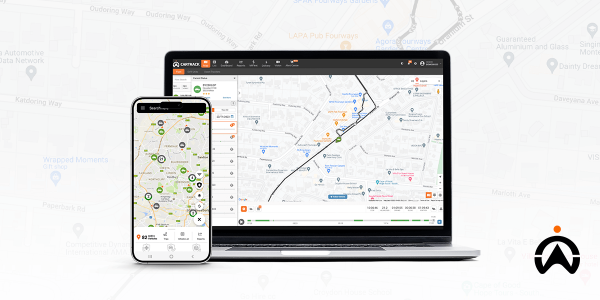
Real-time fleet monitoring: Managers can see the precise location, speed, and operational status of each vehicle on a digital map, supporting quick and proactive dispatching decisions.
-
Planning and optimising the route: Based on travel history and traffic data, the system assists in analysing and selecting the shortest route, avoiding congested areas, and improving trip efficiency.
-
Preventing the unauthorised use of vehicles: The system provides immediate alerts when a vehicle operates outside permitted hours, deviates from its designated route, or is misused by the driver for personal purposes.
-
Improve service quality and customer satisfaction: Providing accurate estimated time of arrival (ETA) information, sharing transparent routes, and ensuring on-time delivery.
-
Reduce fuel costs by up to 30%: Controlling vehicle speed, eliminating prolonged engine idling, and optimising travel routes can significantly reduce monthly fuel costs for businesses.
What determines the accuracy of a GPS device?
The accuracy of GPS depends on many different factors, including satellite geometry, signal interference, and receiver design features. Below are the factors that affect GPS accuracy:
-
Satellite's position and visibility: A GPS receiver needs an unobstructed view of at least four satellites to accurately determine its position.
-
Signal quality: The quality of signals transmitted from satellites can be affected by various factors, such as atmospheric conditions and interference caused by human activity. This can lead to errors in determining precise coordinates.
-
Radio interference or obstruction: External radio wave sources (such as cell phone base stations or high-power electronic devices) and physical obstacles can cause delays or disrupt signal transmission.
Professional Vehicle Tracking and Fleet Management Solutions from Cartrack Vietnam
Cartrack's GPS tracking system is specialized to provide international standard security solutions. Numerous real-world reviews and feedback from corporate customers have demonstrated the superior effectiveness of Cartrack GPS Tracker devices in enhancing comprehensive monitoring capabilities and ensuring fleet security.
At the core of Cartrack's advanced vehicle telematics technology lies the relentless innovation of its GPS tracking system. This superior accuracy empowers our 24/7 emergency control centre and highly trained stolen vehicle recovery team with real-time location monitoring capabilities, ensuring we are always ready to respond and assist in vehicle recovery at any time. Our unwavering commitment to innovation and groundbreaking technological advancements has propelled Cartrack to a leading position in the vehicle tracking and positioning industry.
Read more: Beyond just location tracking, car GPS trackers also integrate many other comprehensive features!
Gain comprehensive fleet monitoring capabilities with solutions from Cartrack Vietnam
Whether you're a small or medium-sized business or operating in demanding sectors like oil and gas and mining, Cartrack is the complete solution for monitoring and managing your fleet anytime, anywhere.
Enhance fleet safety, optimise operational efficiency, and make more informed management decisions – start implementing Cartrack Vietnam's solutions today!
Find out more details by clicking this link!