EN
EN  VI
VI 


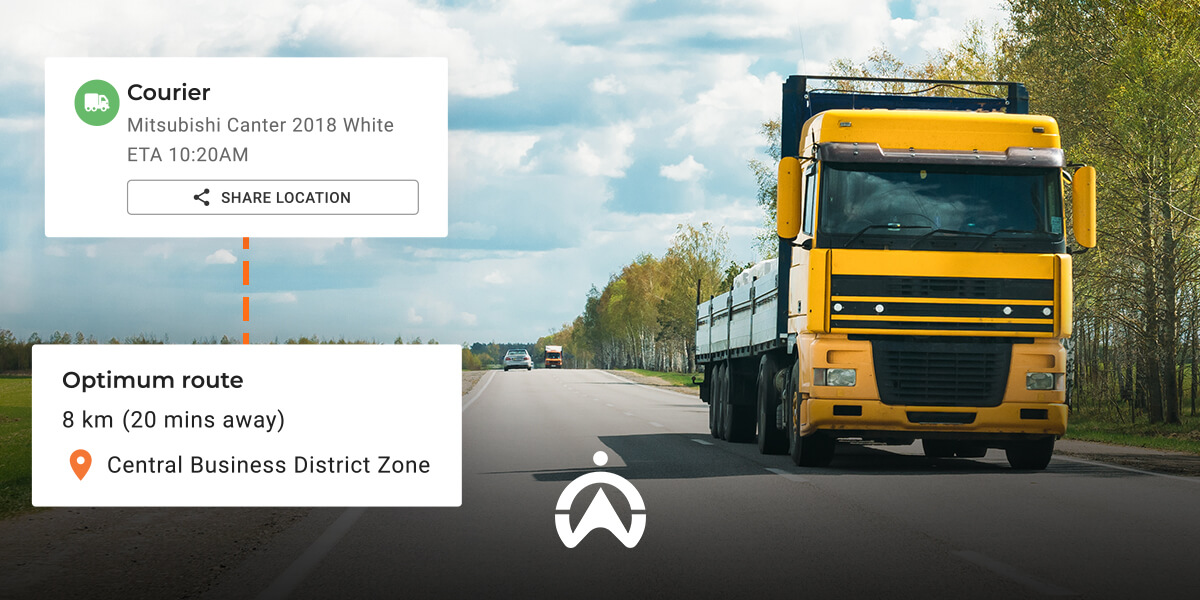
Inefficient routes during the distribution process often cause significant losses for businesses, both in terms of delayed orders and wasted fuel. This problem becomes even more serious if your business operates a large fleet of vehicles.
Efficient delivery requires thorough planning, something that manual methods can hardly achieve. Therefore, businesses need to apply automation tools called route optimisation – a key solution often used in the logistics and field engineering services sectors.
What is Route Optimisation?
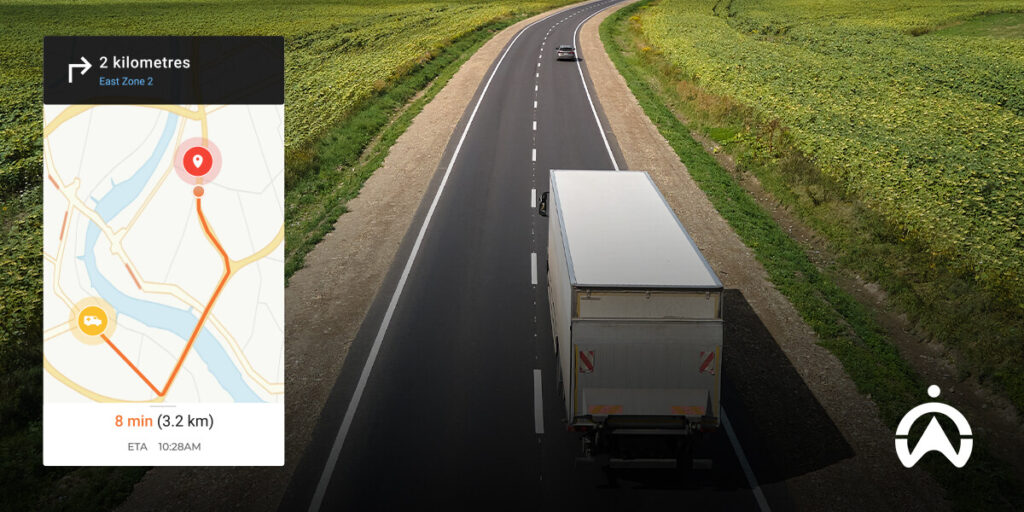
Route optimisation is the process of finding the most efficient route by using intelligent algorithms to analyse and consider multiple factors simultaneously. Based on the analysis results, the system will suggest the most optimal route that suits the actual operational requirements of the business.
Route optimisation is an essential solution for the transportation and field service industry. It not only improves overall operational efficiency but also plays a crucial role in ensuring on-time delivery to customers.
Challenges of not implementing route optimisation
Without implementing route optimisation solutions, businesses will face numerous risks:
1. Delivery delays due to inefficient routes:
Each delivery driver or field technician typically handles multiple destinations daily. If the travel route is not well-planned, delays in delivery or work disruptions are likely to occur due to traffic jams or detours.
2. Uneven distribution of workload:
Manual route planning relies entirely on each driver's skill and experience in navigating the roads. Therefore, daily work productivity varies significantly among personnel.
3. Operating costs are getting out of control:
When allowing drivers to freely choose their routes, businesses face the risk of increased fuel costs and vehicle wear and tear, as some drivers may choose the optimal route while others rely on inaccurate manual routefinding.
4. Decline in customer satisfaction:
Delivery delays or service disruptions are unavoidable without an optimised process. This erodes brand reputation and directly impacts customer loyalty.
Read more: What is a Fuel Management System?
Strategic benefits of route optimisation
Optimising delivery routes is not simply about finding the shortest path, but also about improving overall business performance:
1. Shorten delivery time:
The order of delivery points is scientifically arranged based on distance, geographical location, and order priority. This eliminates the need for drivers to manually determine routes, preventing unnecessary detours.
2. Reduce fuel costs:
The shortest and smoothest route directly minimises fuel consumption. Reducing the time vehicles spend waiting due to traffic jams or getting lost will significantly optimise operating costs.
3. Improve labour productivity:
Precise travel planning allows delivery personnel and technicians to complete more stops during a shift. Businesses increase daily service output without investing in new vehicles or personnel.
4. Raising the bar for the customer experience:
Accurate delivery times and technician arrival times enhance the partner experience. This forms a solid foundation for building trust and improving brand reputation in the B2B market.
5. Strict operational control:
The systematic coordination process allows managers to easily allocate work schedules and monitor online in real time. The entire operation is transparent through analytical reports that support rapid decision-making.
Read more: How to accurately calculate fuel consumption rates for a fleet of vehicles.
Practical applications in various industries
How is route optimisation actually used and what benefits does it bring to each industry? Let's find out more!
1. Last-mile Delivery:
It supports automatic delivery order sorting based on coordinates, radius, and urgency level, helping drivers complete multiple orders without having to repeatedly travel the same route.
2. Restaurants and F&B services:
We help minimise transit time so that food and drinks reach customers in fresh condition, retaining their original flavour and temperature.
3. Field Service:
Businesses providing installation, maintenance of air conditioners, telecommunications, and equipment servicing can easily schedule technicians' travel times efficiently, avoiding wasted time on the road.
4. Goods distribution businesses:
The process of transferring goods from the warehouse to agents and retail points is shortened, allowing combined vehicles to deliver more points in a single trip.
Advanced route optimisation features from Cartrack
Route optimisation is a core capability in the Cartrack Delivery (Delivery Management System) solution. The system helps businesses improve delivery efficiency through powerful features:
-
Automatically optimise routes and prioritise deliveries based on geographic location and priority.
-
Monitor the location and movement of delivery personnel in real time.
-
Automatically send order status update notifications to customers.
-
Verify electronic proof of delivery (e-POD) through a physical photo and digital signature.
-
Automatically extract detailed performance reports for customizable time periods.
The extended subsystems help to comprehensively optimize fleet management operations:
-
Fuel Monitoring: Accurately measure fuel consumption for your fleet using specialized sensors compatible with each vehicle model.
-
Camera AI Live Vision: Intelligent video surveillance inside and outside the vehicle enhances driving safety, records evidence in case of an accident, and assists with insurance claims.
-
Maintenance Management: Plan and schedule regular vehicle maintenance based on actual mileage or operating time.
-
Driver Identification: Control vehicle operation rights using RFID cards or identification codes, absolutely preventing the misuse of vehicles.
-
Internal car-sharing platform (CarPool): Assisting with scheduling and coordinating company vehicles, ensuring that vehicles are always utilised to their maximum potential.
Conclusion
Route optimisation is not just about finding the fastest route, but also a comprehensive solution for standardising the entire delivery and logistics chain. With faster delivery speeds, higher productivity, and optimised operating costs, businesses can build a sustainable competitive advantage in the market.
Cartrack Delivery offers a comprehensive and professional delivery management solution. Leave your information so that Cartrack's team of experts can contact you to advise on the optimal solution and receive the best price quote tailored specifically for your business!