EN
EN  VI
VI 


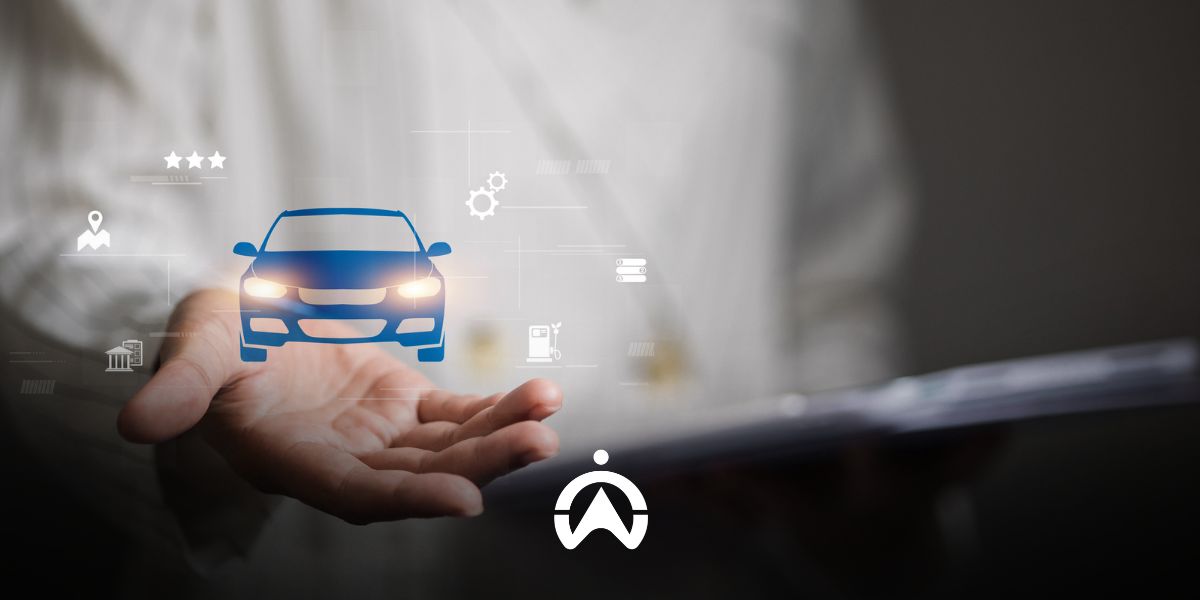
Digitalisation is a must-have for logistics businesses
Changes in consumer behavior due to the pandemic have, on the one hand, posed numerous challenges, but on the other hand, opened up opportunities for logistics businesses to transform their business models sooner than expected. This transformation is driven by the trend of digitalization – viewing it as a solution and an urgent need to remove logistics barriers in general, as well as to meet the changing habits of users after the pandemic.
Some major challenges in the logistics industry arising after the pandemic include: the capacity to handle large volumes of food and perishable goods orders, ensuring transparency of information regarding the flow of goods from the source of supply to the final distribution stage, and the demand for a service that is both fast and competitively priced. Digitising fleet management processes – including planning, monitoring, and evaluation functions – will help businesses confidently face these challenges and seize opportunities for a comprehensive digital transformation of their logistics operations.
Applying Digital Fleet Management to Optimise Logistics Operations
Digital technology needs to be properly integrated into the business model to optimize the return on investment (ROI). Therefore, clearly defining the focus and methods of digitalization application is crucial, with fleet management being a key element. Below is how digitalization directly impacts three key links in a company's logistics operations: planning, monitoring, and evaluation.
a. Planning
Thanks to digitalisation, you can plan and optimise travel routes more efficiently, improve vehicle utilisation, automatically dispatch drivers closest to pickup points, and proactively schedule accurate vehicle maintenance based on dates, actual mileage, or engine operating time.
b. Monitoring
The entire goods flow process, from the source of supply to the final delivery point, can be monitored in real time. This significantly reduces the cost of manual dispatching calls, ensures cargo safety, and allows for accurate estimation of the vehicle's arrival time (ETA) to inform all stakeholders, including customers. This monitoring comprehensively covers: vehicle location and operating status, driver behavior, task completion progress, operating hours, geofencing, fuel consumption, speed, odometer readings, temperature of the refrigerated cargo compartment, and the history of opening/closing of the cargo compartment doors.
c. Evaluation
Big Data and Artificial Intelligence (AI) technologies provide you with a comprehensive overview and in-depth analysis of the operational performance of your entire fleet. The system automatically compiles and sends periodic reports containing all the metrics and analytical data you need. Based on this, managers can easily and accurately assess fleet performance as well as overall logistics operations to continuously refine and optimize processes.
Creating a powerful impact on the sustainable development of logistics businesses
The digitalisation of fleet management is realised through the application of vehicle telecommunications (Telematics), Big Data, AI, and the Internet of Things (IoT). This comprehensive combination is achieved through the synchronised integration of GPS positioning hardware, a software-as-a-service (SaaS) platform, and a convenient mobile application. The use of a cloud-based SaaS platform provides maximum flexibility, allowing you and your management team to monitor and operate your fleet anytime, anywhere, simply through a web browser.
For business managers, digitising fleet management will bring significant competitive advantages to logistics companies. The most obvious benefits include: minimising operating costs to optimise service rates; increasing productivity, improving efficiency and transparency in the delivery process, resulting in faster and more on-time service; and enhancing customer satisfaction, thereby strengthening brand reputation and increasing sustainable profits for the company.
Start digitising your logistics fleet management processes today to achieve up to a 3x return on investment (ROI) with Cartrack. Contact us now to receive our services. FREE LIVE DEMO From Cartrack!