EN
EN  VI
VI 


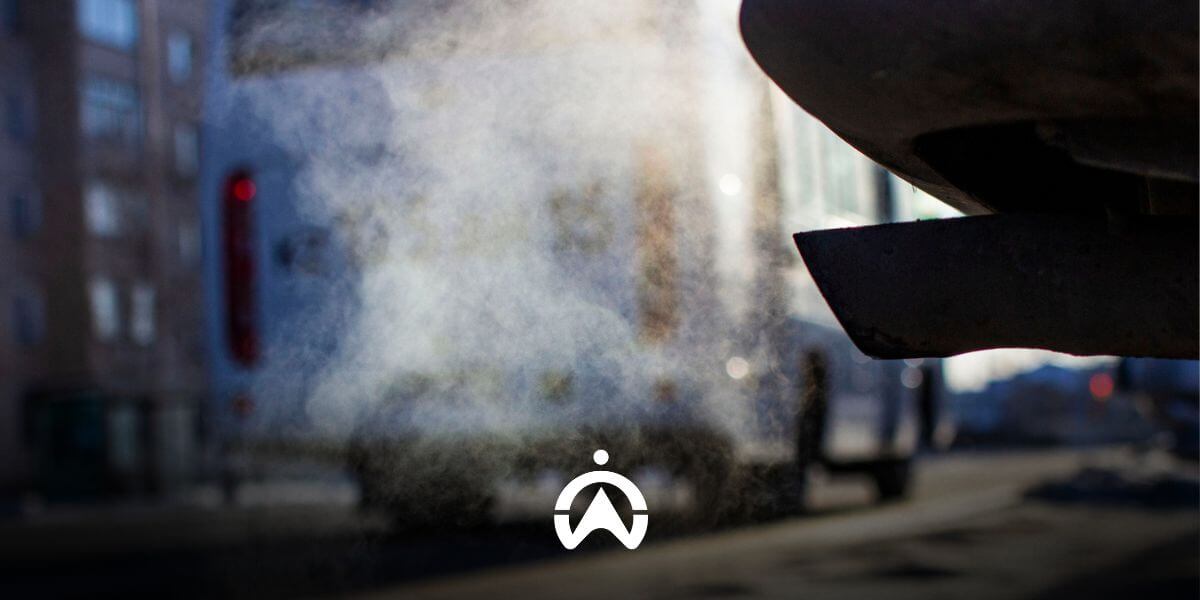
What is Idling?
Idling is the state where a vehicle's engine remains running while the vehicle is stationary or not moving. Every day, millions of cars and trucks worldwide maintain this unnecessary engine-on state.
What are typical cases of engine idling?
Idling is common in situations like traffic jams, waiting in line at rest stops/rest areas, or while waiting to unload goods at warehouses and ports. As a fleet manager responsible for multiple drivers and vehicles, you'll certainly want to monitor whether they frequently idle while loading/unloading goods, waiting at traffic lights/traffic jams, or overuse the air conditioning during breaks.
What are the consequences of letting the engine idle?
Leaving the engine idling for more than 10 seconds consumes more fuel and emits more harmful gases into the environment compared to turning it off and then restarting it, contributing to increased air pollution and accelerating climate change. This also significantly increases the mechanical wear and tear on the entire vehicle, far more severely than most drivers commonly believe.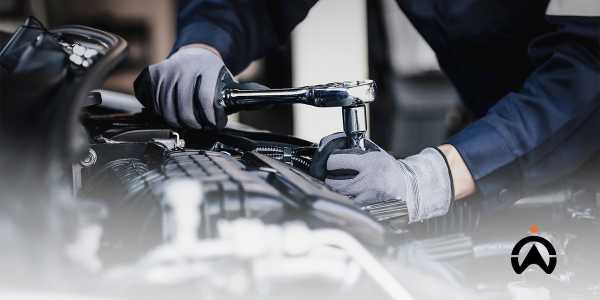
4 Reasons Why Businesses Need to Prevent Idling
- Minimize wear and tear on machine parts.
Maintaining engine idle for one hour each day can cause engine wear equivalent to driving approximately 102,998 km in a year. This figure is for a single vehicle. This excessive wear can increase regular maintenance costs by tens of millions of VND annually and significantly shorten engine lifespan. Continuous idling puts immense mechanical stress on the vehicle's components. Prolonged idling can cause internal engine parts to wear down twice as fast as when the vehicle is moving at normal speeds on the road. - Preventing health risks for drivers.
Idling emits the same amount of harmful gases as when the vehicle is actually moving. These pollutants negatively impact the respiratory system and increase the risk of dangerous diseases such as asthma, cardiovascular disease, chronic bronchitis, and cancer. Numerous medical studies have shown that inhaling suddenly high concentrations of pollutants can lead to hospitalization due to acute respiratory complications. Furthermore, when drivers sit idle in the cabin, the lack of natural convection to expel exhaust gases means they inhale significantly more concentrated toxic fumes than when the vehicle is in motion. Therefore, fleet managers need to proactively implement measures to prevent idling to protect the health and working conditions of their drivers. - Bảo vệ môi trường
Reducing carbon emissions in the supply chain is a top priority for modern businesses. In 2022, up to 38% of shippers, drivers, and transport companies faced significant pressure to reduce carbon emissions in their operations. By proactively turning off your engine for every 10 minutes while parked, you prevent nearly 0.5 kg of carbon emissions. CO2 direct emissions into the environment CO2 l(This is a major contributor to the greenhouse effect and global warming). In particular, every liter of diesel fuel wasted by idling releases up to 2.64 kg of gas. CO2 into the atmosphere. - Minimize fuel costs.
A passenger car idling consumes between 0.76 and 2.65 liters of gasoline per hour. For a heavy-duty diesel truck, the consumption can reach approximately 4 liters of fuel per hour of idling. One of the most sustainable and practical solutions for businesses to optimize transportation costs is to reduce wasted fuel consumption. Proactively shortening travel distances and eliminating idle time is key to reducing fuel costs, thereby maximizing profit margins for the business.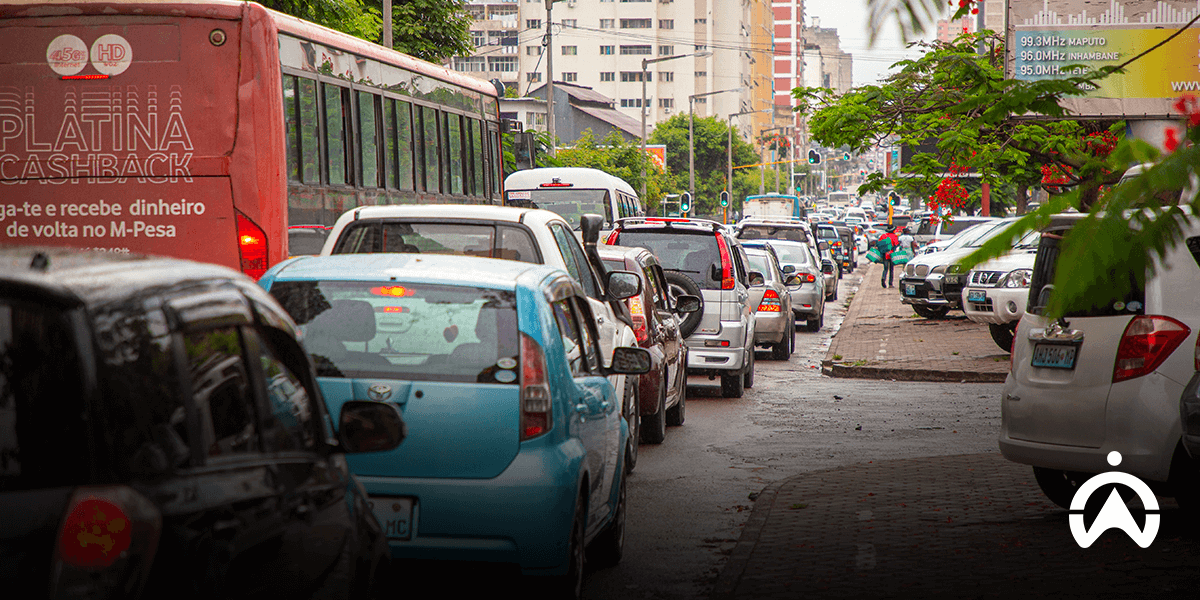
4 Ways to Minimize Engine Idle Starts Using a Fleet Management System
- Driver behavior reporting and analysis
The fleet management platform provides a visual data reporting system on actual driving behavior, such as ignition time, reckless driving habits, speeding, sudden braking, and steering techniques. When detecting instances of excessive idling, managers can intervene and correct the behavior promptly. The software's analysis also identifies drivers with unusually high idling times, allowing managers to directly address and remind the right drivers. - Professional training and driver awareness enhancement.
Many drivers in Vietnam still hold the old habit and belief that restarting the engine consumes more fuel than letting it idle, and your company's drivers may also hold this belief. However, according to experimental studies on modern internal combustion engines equipped with electronic fuel injection systems, idling for more than 10 to 30 seconds actually consumes significantly more fuel than turning the engine off and restarting it when stopped. By updating this practical technical knowledge, your company should encourage drivers to proactively turn off the ignition whenever they stop to wait for goods or are parked for extended periods. In professional transportation management, standard operating procedures (SOPs) for controlling idle engine time should be included in internal training programs and the company's safety culture. Managers need to clearly instruct drivers about the economic losses and risks of vehicle wear and tear caused by prolonged idling, thereby promoting a sense of self-discipline in fuel saving and improving professional driving practices. - Route optimisation
By analyzing real-time route data, you can accurately identify routes where prolonged engine idling occurs and pinpoint the specific causes to optimize the route. Traffic congestion is the leading cause of significantly increased engine idling time. Businesses can use GPS tracking software to automatically plan intelligent transportation routes. The route optimization feature on Cartrack's Delivery App uses GPS data and intelligent algorithms to evaluate all feasible route options. The GPS system automatically analyzes multiple variables in real time (such as traffic density, accident black spots, or road closures) to provide the most optimal route. This allows drivers to flexibly adjust the route during transit or prepare a precise route before departure. - Geofencing
Fleet managers can leverage geofencing to control and reduce truck idling time by designating areas where waiting times are common (such as warehouses, weighbridges, and loading/unloading yards). As soon as a vehicle enters a designated boundary, telematics equipment automatically measures the idle time within that area and immediately sends an alert if the idle time exceeds the permitted threshold.
As analyzed above, by drastically controlling and reducing unnecessary idle engine time, businesses will significantly reduce both mechanical maintenance costs and monthly fuel bills. This saving will directly increase net profit margins and strengthen the overall financial health of your business.
If your business is looking for in-depth security solutions and advanced fleet management systems, Cartrack Vietnam offers a full range of superior features, from driver behavior analysis reports and route optimization tools to intelligent geofencing solutions. Cartrack Vietnam provides an accurate Driver Scorecard for each driver. This ranking is a powerful tool to eliminate bad driver habits such as excessive idling or speeding violations, thereby increasing vehicle lifespan, minimizing accident risks, and improving overall operational efficiency.
Take proactive steps to save on fuel costs and reduce operating expenses today with Cartrack GPS Tracking Device!
Visit Cartrack Vietnam for consultation and to experience detailed solutions.