EN
EN  VI
VI 



What is a cold chain supply and how has it evolved?
In the 1700s, villages in England used communal cold storage to preserve meat and vegetables. By the 1800s, fishermen and farmers began using natural ice to preserve produce during transport from rural areas to major cities for consumption.
The process of managing product temperature to maintain optimal quality is called the "Cold Chain," while the entire operation of transporting, storing, and distributing goods under strictly temperature-controlled conditions is called "Cold Logistics."
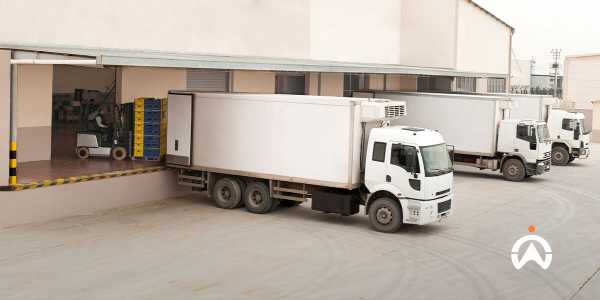
All goods classified as "perishable" or "temperature-sensitive" require a robust cold chain supply management process to maintain stable temperatures throughout the entire process: from transportation, storage, and transit to final delivery to the customer. These products include:
-
Vaccines, pharmaceuticals, and medical biological products
-
Premium wine
-
Desserts, ice cream, and gelato
-
Fresh meat and seafood
-
Fresh fruits and vegetables
-
Milk and dairy products (yogurt, butter, cheese)
Businesses involved in the production, distribution, and transportation of these product groups always prioritise the cold chain supply. Even a small temperature deviation can cause products to quickly deteriorate, losing their original flavor and quality; more seriously, a disruption in the cold chain threatens consumer health and safety and causes significant financial losses.
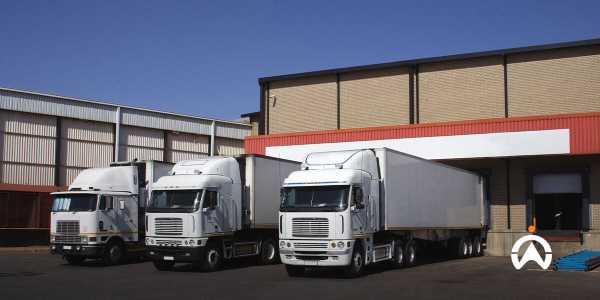
Here are five key factors you need to consider:
1. Cooling system
Refrigeration systems play a crucial role in lowering and maintaining product temperatures at standard levels throughout all stages: from processing and storage to transportation. Each product category requires a specific temperature range.
– Tropical fruits (bananas, pineapples, etc.): Continue to ripen during transport and require a stable temperature between 12°C and 14°C.
– Vegetables, dairy products, and fresh meat: Must be kept cool at a temperature between 2°C and 4°C.
– Frozen meat, bread, and pastries: Require freezing temperatures between -10°C and -20°C.
– Seafood and ice cream: Require a deep freezing temperature range of -25°C to -30°C.
2. Cold storage system
Temperature-sensitive products must be stored under optimal conditions during transit – before processing or distribution to the market. Specialised warehousing systems include medical refrigerators, industrial freezers, commercial cold storage, cold buffer rooms, and specialised refrigeration units.
3. Packaging and thermal insulation
Cold chain packaging utilises specialised insulation materials and technologies to maintain products within the required temperature range (cooling or freezing). Common solutions include: thermal gel packs, dry ice, liquid nitrogen, eutectic cooling bars, and various layers of insulation film.
4. Refrigerated transport
Refrigerated transport serves the needs of domestic and international cargo circulation, ensuring products are kept at stable temperature and humidity through the following methods:
– Refrigerated trucks and refrigerated semi-trailers
– Refrigerated sea containers
– Dedicated air freight
Modern transportation methods utilise Internet of Things (IoT) devices to monitor and track temperature in real time. This helps detect temperature breakdowns immediately, preserving product quality and ensuring compliance with safety and hygiene regulations. You can also equip your vehicle with temperature sensors from Cartrack to continuously monitor the temperature inside the cargo compartment.
See also: Cartrack's sensor ecosystem provides comprehensive vehicle control.
5. Handling and distribution of refrigerated goods
This process involves maintaining a strict temperature from the moment goods are received from the supplier until they are unloaded from trucks, trains, or airplanes, palletised, and stored in the warehouse before being delivered to B2B customers or end consumers (B2C). A standardised cold chain distribution process helps distributors operate smoothly, minimizing the time goods are exposed to normal temperatures.
Improve the efficiency of your cold supply chain management with Cartrack Temperature Sensors today!
Contact the Cartrack Vietnam team of experts today at 0964948186 or click the Zalo/Whatsapp link below to receive in-depth consultation and register for a free demo of our refrigerated transport management solution!